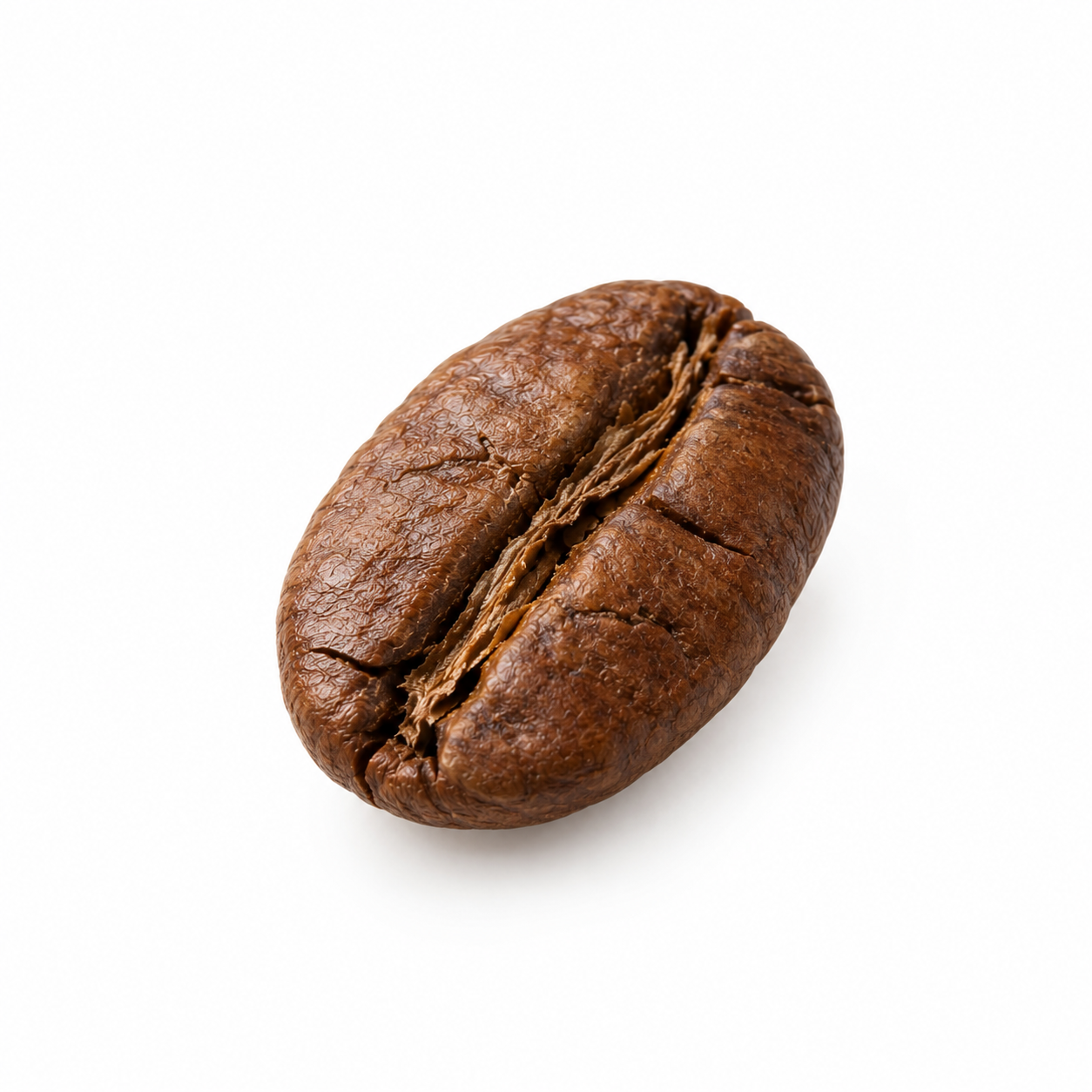

Refers to Arabica coffee associated with the Sunda region of West Java, Indonesia, with “Gulali” potentially referring to a specific product name or a sweet flavor profile. West Java is known for its highland coffee-growing areas, where elevation, volcanic soils in some locations, and tropical conditions support Arabica cultivation. Depending on its origin, processing method, and roast profile, Sunda Java Arabica may offer a balanced cup with sweet, fruity, caramel-like, and chocolate notes.
1. Physical Characteristics of Arabica Sunda Java Gulali
Origin and Growing Environment: Sunda Java Arabica is associated with the coffee-growing regions of West Java, Indonesia, where highland environments and local cultivation practices contribute to coffee development. The exact origin of the “Gulali” product should be confirmed with its producer.
Bean Shape and Size: Arabica beans are generally oval or elongated, with a characteristic curved central crease. Their size, shape, and density vary according to the variety and growing conditions.
Color After Roasting: Depending on the roasting profile, the beans develop a light to dark brown color. Light to medium roasting can preserve delicate sweetness and fruity notes, while darker roasting emphasizes chocolate and toasted characteristics.
Aroma: Potential aromatic notes include caramel, brown sugar, ripe fruit, chocolate, and mild floral characteristics, depending on the specific coffee lot.
Flavor Profile: The coffee may exhibit sweetness reminiscent of gulali (traditional cotton candy or spun sugar), alongside notes of caramel, brown sugar, fruit, and chocolate. However, these tasting notes should be verified against the product’s actual sensory description.
Body and Acidity: Arabica coffee from West Java can range from medium to full-bodied, with mild to bright acidity depending on its origin, processing method, and roast levela
2. Characteristics and Potential Benefits
Rich in Natural Antioxidants: Like other coffee varieties, Arabica contains naturally occurring antioxidant compounds, including polyphenols.
Sweet and Aromatic Profile: If the product has a caramel or cotton-candy-like sensory character, it may appeal to coffee drinkers who enjoy a naturally sweet-tasting cup without necessarily adding sugar.
Versatile Brewing Applications: Depending on the roast and flavor profile, it can be suitable for manual brewing methods such as V60 and Kalita, as well as espresso-based beverages.
Distinctive Indonesian Coffee Identity: Sunda Java Arabica reflects the coffee-growing traditions of West Java and the diversity of Indonesian specialty coffee.
3. Arabica Sunda Java Gulali Grades
Grade A (Specialty / Grade 1): Represents the top-tier selection of green coffee with minimal physical defects (0–11 points per 300g) and a Cupping Score > 84–86+. Perfectly moisture-controlled (10%–12%), delivering the purest, most pronounced gulali sweetness and cleanest cup clarity.
Grade B (Premium / Grade 2): Contains minor physical defects (12–25 points per 300g) with a Cupping Score of 80–83. Retains sweet caramel and fruity characteristics, making it an excellent choice for premium café house blends.
Grade C (Commercial / Grade 3): Allows higher defect counts (26–44 points per 300g) and mixed bean sizes. The sweetness is less defined, with stronger rustic and tea-like notes.
Grade D (Off-Grade / Triase): Consists of sorting remnants with noticeable physical defects. Primarily utilized for low-cost commercial coffee grounds or mass-market blends.
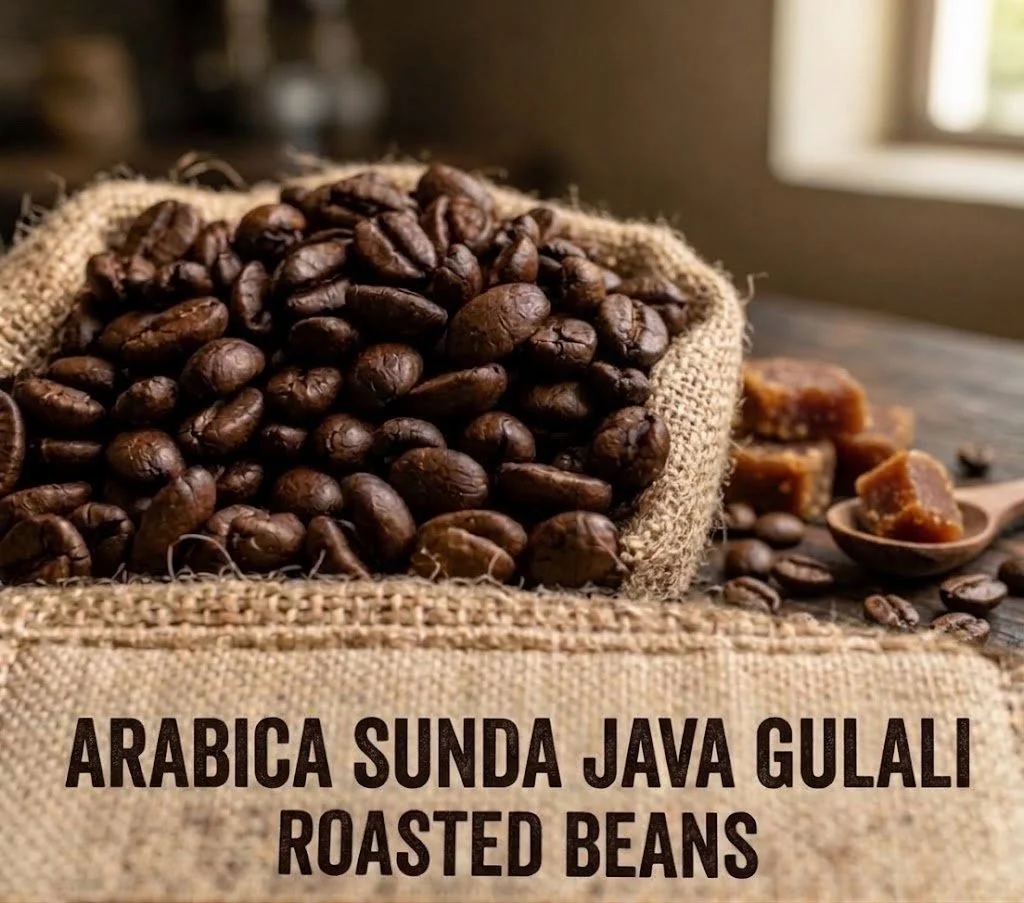
ARABICA SUNDA JAVA GULALI