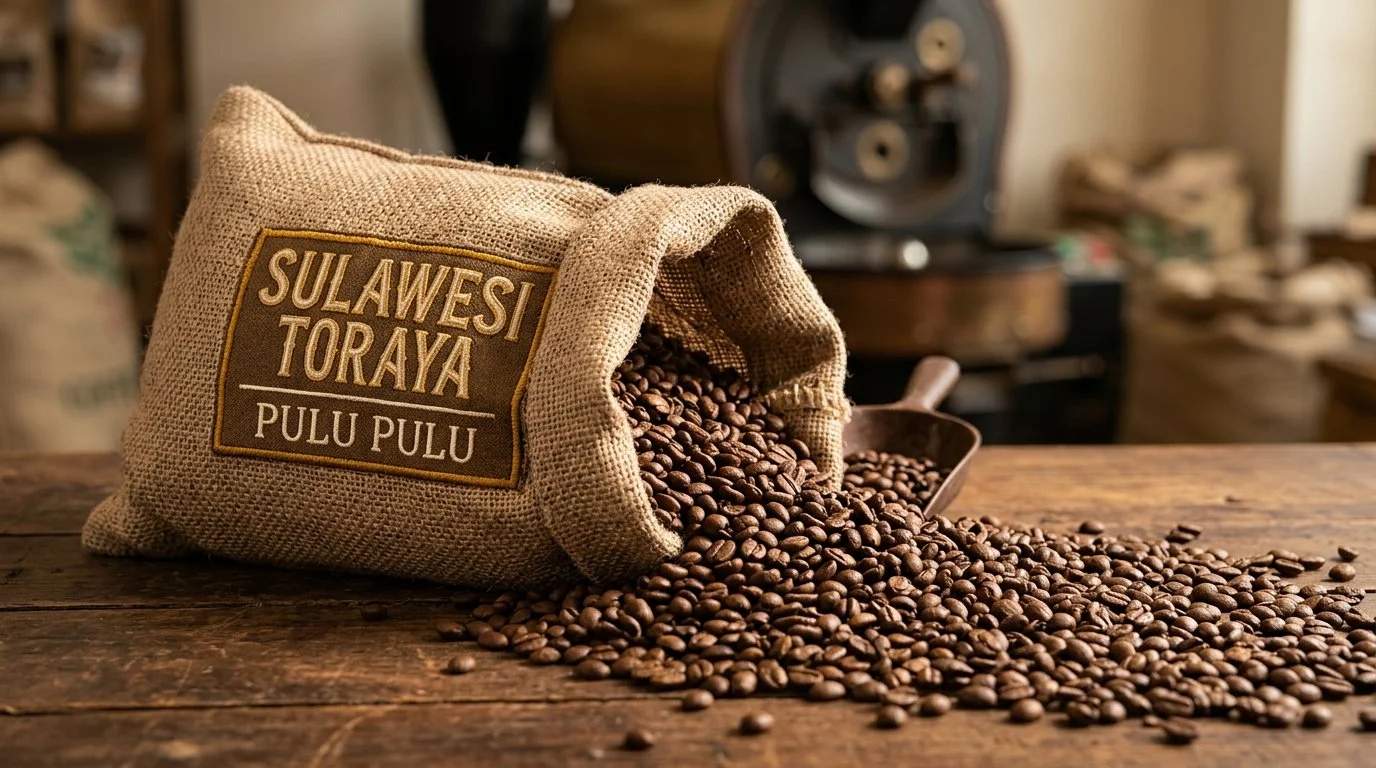

Arabica Sulawesi Toraja Pulu Pulu
Refers to Arabica coffee associated with the Pulu Pulu area of Toraja, South Sulawesi, Indonesia. The Toraja highlands are known for their traditional coffee cultivation, with mountainous terrain, tropical conditions, and local farming practices contributing to the coffee’s distinctive character. Toraja Arabica is often associated with a rich aroma, balanced acidity, a medium to full body, and complex flavor notes.
1. Physical Characteristics of Arabica Sulawesi Toraja Pulu Pulu
Origin and Growing Environment: Arabica Sulawesi Toraja Pulu Pulu is associated with the Toraja highlands of South Sulawesi, where elevated terrain, suitable temperatures, and local cultivation practices support Arabica coffee production.
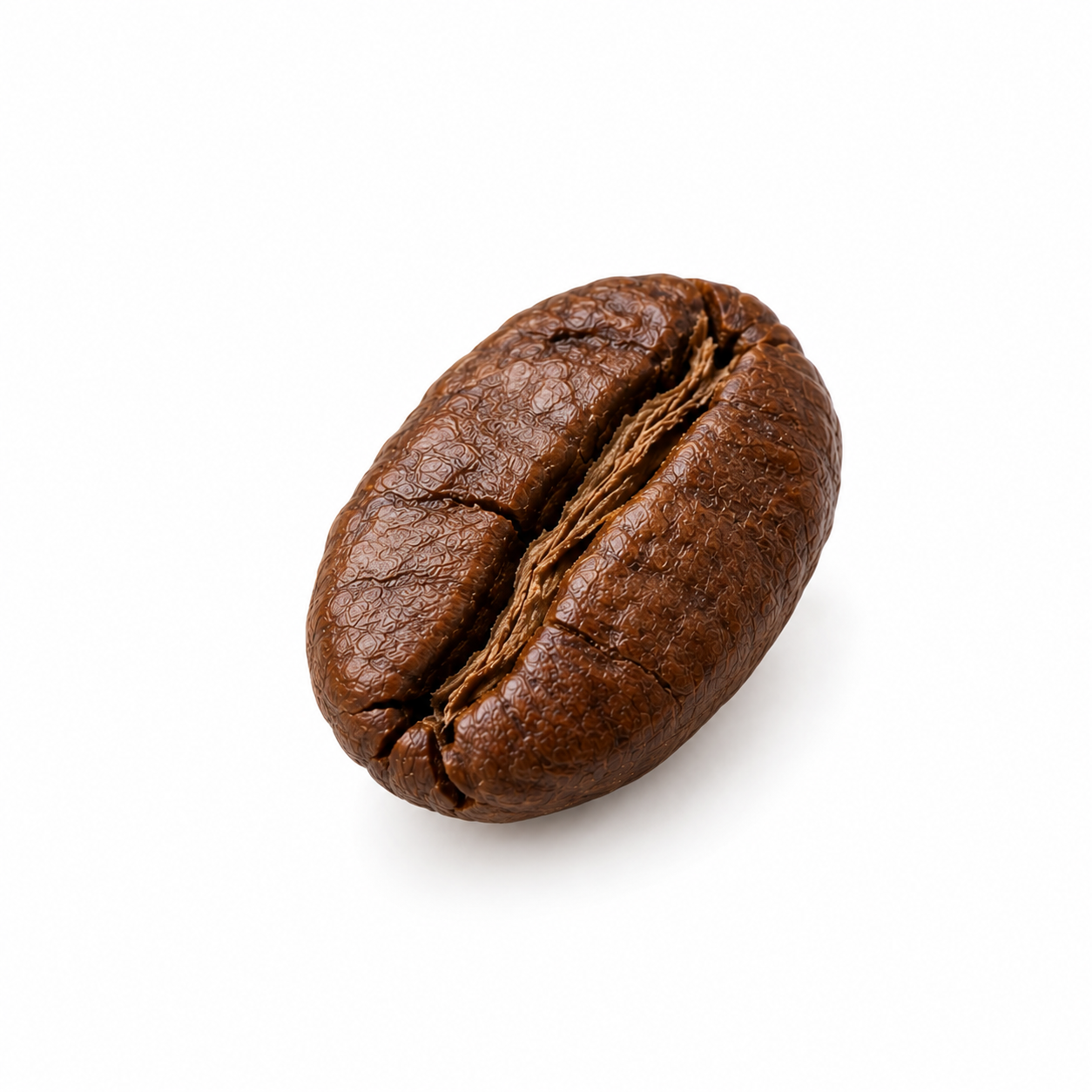
Bean Shape and Size: Arabica beans are generally oval or elongated, with a characteristic curved central crease. Their size and density vary according to the variety, growing conditions, and post-harvest processing.
Color After Roasting: Depending on the roasting profile, the beans develop a light to dark brown color. Light to medium roasting can highlight aromatic complexity, while darker roasting emphasizes deeper chocolate and roasted characteristics.
Aroma: Toraja Arabica is commonly associated with earthy, herbal, spicy, nutty, and chocolate-like aromas. Depending on the specific lot and processing method, subtle fruity or floral notes may also be present.
Flavor Profile: The coffee may present notes of dark chocolate, nuts, spices, herbs, and earthy undertones, sometimes accompanied by subtle fruity sweetness and a lingering finish.
Body and Acidity: Toraja Arabica is often described as having a medium to full body with balanced, generally moderate acidity, creating a smooth and rounded cup.
2. Characteristics and Potential Benefits
Rich in Natural Antioxidants: Like other coffee varieties, Arabica naturally contains antioxidant compounds, including polyphenols.
Moderate Caffeine Content: Arabica generally contains less caffeine than Robusta, making it suitable for coffee drinkers who prefer a comparatively lower-caffeine profile.
Complex and Well-Balanced Flavor: Its potential combination of earthy, chocolate, nutty, and spicy notes makes it suitable for manual brewing methods, espresso, and specialty coffee blends.
Distinctive Regional Character: The highland environment and traditional cultivation practices of Toraja contribute to the region’s reputation for distinctive Arabica coffee.
3. Arabica Sulawesi Toraja Pulu-Pulu Grades
Grade A (Specialty / Grade 1): Represents the highest selection of green beans with a maximum defect count of 0–11 points per 300g (SNI / SCA Specialty standard) and a Cupping Score > 84–87+. Beans display uniform size and moisture content (10%–12%), delivering the purest, cleanest cup profile.
Grade B (Premium / Grade 2): Contains minor physical variations with defect counts between 12–25 points per 300g and a Cupping Score of 78–83. Retains the signature Toraja earth-and-spice profile with slightly less floral delicacy.
Grade C (Commercial / Grade 3): Allows higher defect counts (26–44 points per 300g) and size variance. Flavor is dominated by rustic, earthy, and heavier woody notes with reduced acidity.
Grade D (Off-Grade / Triase): Consists of high-defect sorting remnants (chipped, broken, or discolored beans). Primarily used for low-cost commercial coffee grounds or mass-market blends.