

Black Ginger
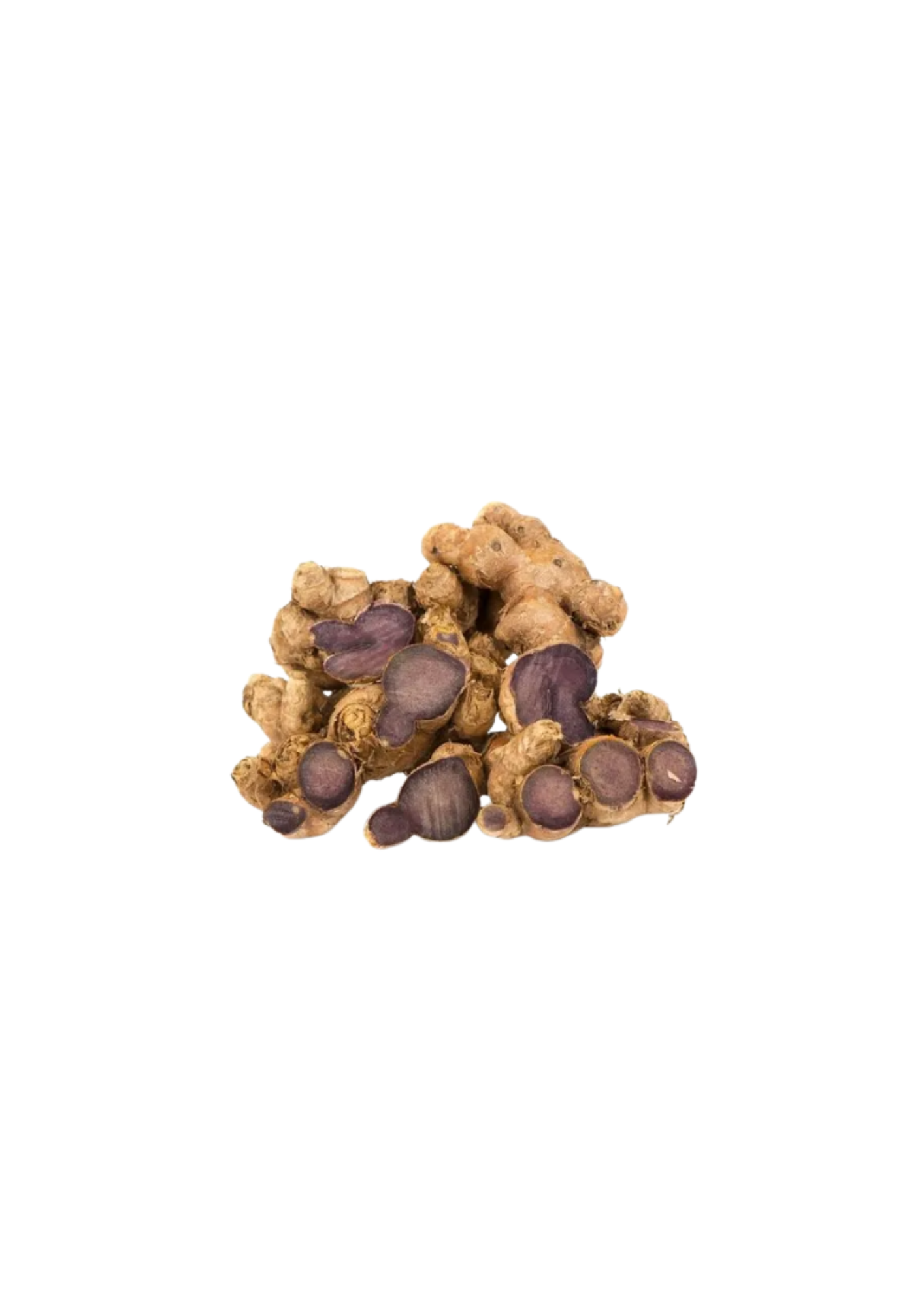
Jahe Hitam (Kaempferia parviflora) is a tropical herbal plant native to Southeast Asia, particularly Thailand and neighboring regions, and is also cultivated in Indonesia. Commonly known as Black Ginger or Thai Black Ginger, its dark purple-black rhizome has been traditionally used as a herbal ingredient and is valued for its distinctive bioactive compounds.
ORIGIN: Native to Southeast Asia, particularly Thailand, and cultivated in several tropical regions, including Indonesia. It grows well in warm and humid environments with fertile, loose, and well-drained soil.
PLANTING: Thrives in warm tropical climates with temperatures of approximately 20–30°C, sufficient rainfall, and loose, fertile, well-drained soil. It is propagated using healthy rhizome pieces containing viable buds. The rhizomes are planted in shallow holes or planting beds, preferably during the beginning of the rainy season.
HARVESTING:
Timing: Harvested when the plant reaches maturity, generally around 8–12 months after planting, depending on the cultivation conditions and intended use.
Method:
The soil surrounding the plant is carefully loosened, and the mature rhizomes are lifted from the ground. The rhizomes are then cleaned to remove soil and impurities, sorted, and processed for fresh use or dried as herbal raw material
PRODUCTS
Fresh Rhizomes:
Fresh black ginger rhizomes used as a traditional herbal ingredient and raw material for herbal preparations.
Dried Rhizomes (Simplisia):
Cleaned, sliced, and dried black ginger rhizomes used as botanical raw material.
Black Ginger Powder:
Dried rhizomes that are ground into powder for use in herbal drinks, supplements, and traditional preparations.
Extracts:
Concentrated extracts containing characteristic bioactive compounds, including polymethoxyflavones, which are associated with the traditional and functional properties of black ginger.
Herbal Drinks & Supplements:
Used in herbal beverages and dietary supplement formulations marketed for stamina, vitality, and general wellness.
INDUSTRIES THAT USE IT
Herbal Medicine (Jamu and Phytopharmaceuticals):
Used as an important botanical ingredient in traditional jamu, standardized herbal medicines, and other herbal formulations.
Food & Beverage:
Used as a natural spice and flavoring ingredient in traditional foods and herbal beverages.
Cosmetics & Skincare:
Used in selected traditional and commercial skincare formulations, including masks, body care products, and other preparations containing botanical ingredients.
Pharmaceutical & Nutraceutical Industry:
Used as a source of bioactive compounds for the development of herbal medicines, supplements, and nutraceutical products
BENEFITS
Distinctive Aroma & Flavor
Provides a characteristic earthy, aromatic, and slightly bitter flavor associated with temulawak.Natural Bioactive Compounds
Contains curcuminoids, essential oils, and xanthorrhizol, which contribute to its biological and functional properties.Digestive Support
Traditionally used to support digestive function and stimulate appetite.Antioxidant & Anti-inflammatory Potential
Contains naturally occurring compounds that have been studied for their antioxidant and anti-inflammatory activities.Versatile Application
Suitable for herbal drinks, traditional medicine, powdered preparations, extracts, supplements, and selected food and cosmetic products.
FUNCTIONS AND BENEFITS
Digestive Health:
Traditionally used to support digestion, stimulate appetite, and help relieve mild digestive discomfort.
Liver & Metabolic Support:
Temulawak has traditionally been used in Indonesian herbal medicine to support liver function and overall metabolic health.
Antioxidant Support:
Contains naturally occurring bioactive compounds with antioxidant activity that may help protect cells from oxidative stress.
Anti-inflammatory Support:
Compounds found in temulawak, including xanthorrhizol and curcuminoids, have been investigated for their potential anti-inflammatory properties.
General Wellness:
Traditionally consumed as part of jamu and other herbal preparations to help maintain overall health and physical vitality.
Traditional Remedies:
Temulawak has a long history of use in Indonesian traditional medicine, particularly in herbal preparations associated with digestive health, appetite, and general wellness.
Jahe Hitam
Kaempferia Parviflora.
Indonesia Standard Quality Grade