

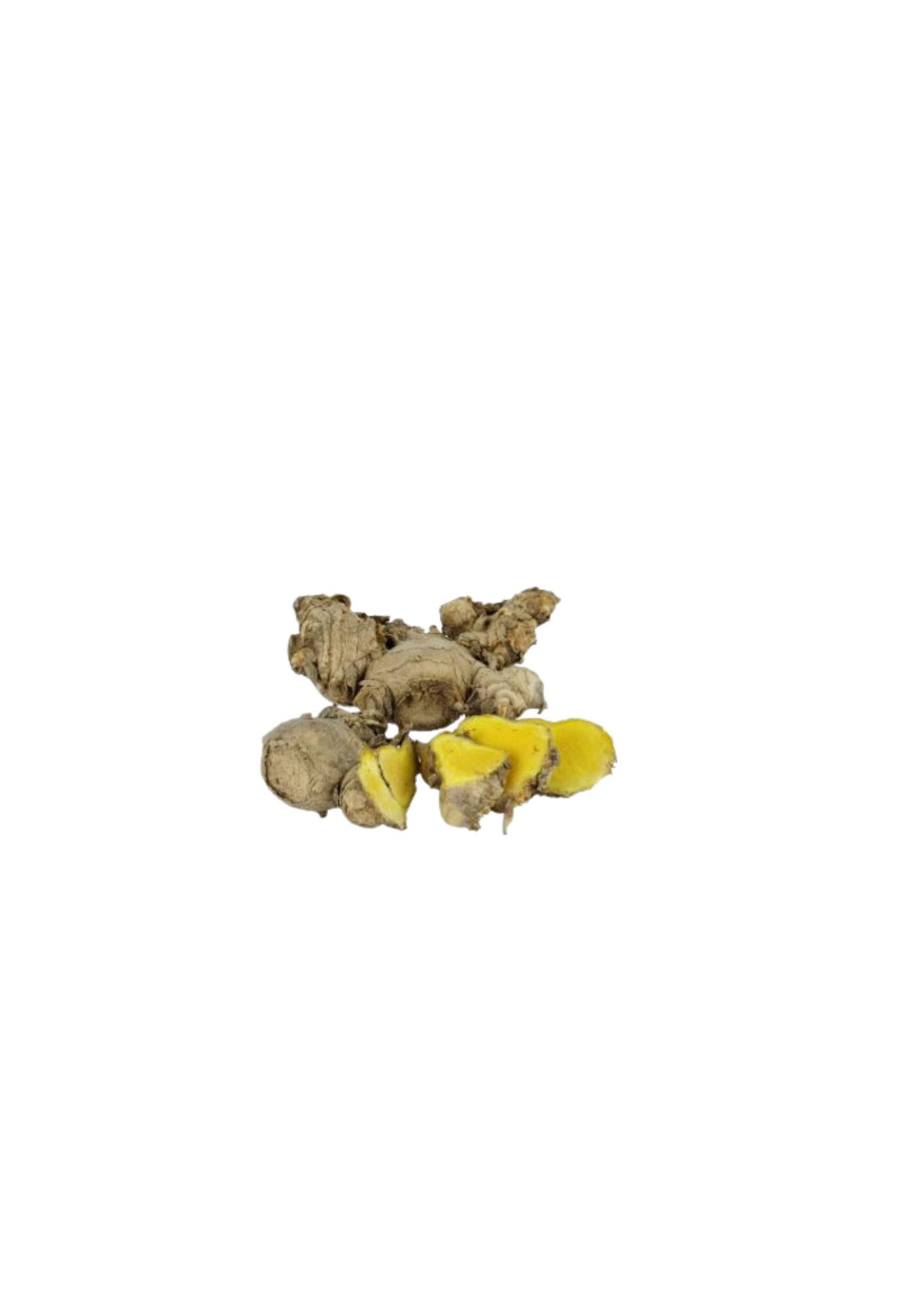
Bengkle (Zingiberis purpurei rhizome)
Indonesia Standard Quality Grade
Bengkle (often spelled Bangle) is a highly pungent, aromatic rhizome belonging to the ginger family, deeply rooted in both Indonesian traditional medicine and local folklore. It is distinguished by its strong, slightly camphor-like scent and is exceptionally valued for its warming properties, external applications, and traditional use in postpartum recovery.
HARVESTING:
Timing: Harvested when the plant reaches maturity, typically 8 to 12 months after planting, indicated by the leafy stems turning yellow and drying out.
Method: The soil is carefully dug up to extract the clump of rhizomes. The yellowish-brown roots are then separated from the stalks, washed thoroughly, and prepared for either fresh use or drying.
Products
Fresh Rhizomes: The pungent, raw root used directly in traditional pastes and topical applications.
Dried Simplisia: Sliced and sun-dried rhizomes used for long-term storage and herbal formulations.
Herbal Powder: Finely ground dried bengkle used in dry jamu blends and commercial traditional medicine.
Traditional Poultice (Tapal / Boreh): Pounded fresh bengkle, often mixed with other herbs, used as a warming body paste.
Essential Oils & Balms: Extracted for its aromatic and warming compounds, utilized in massage oils and topical ointments.
INDUSTRIES THAT USE IT
Herbal Medicine (Jamu): A crucial ingredient in traditional remedies targeting digestive issues, fever, and rheumatism.
Postpartum & Body Care: Heavily utilized in traditional maternal care products, belly pastes (tapal), and massage therapies.
Cosmetics and Wellness: Incorporated into warming balms, liniments, and traditional spa treatments.
BENEFITS
Traditional Herbal Value A powerful warming herb relied upon for centuries to expel “coldness” from the body and stimulate circulation.
Postpartum Recovery A cornerstone of traditional Indonesian maternal care, frequently applied externally to the abdomen to help shrink the uterus, firm the stomach muscles, and provide deep warmth after childbirth.
Muscle and Joint Relief Contains natural anti-inflammatory properties used to soothe rheumatic pain, arthritis, and general muscle stiffness.
Digestive Comfort Traditionally consumed to relieve severe flatulence, bloating, and gastrointestinal cramps.
Cultural Heritage & Folklore Holds a unique place in Javanese and Sundanese cultural traditions; small pieces of bengkle are historically pinned to the clothing of infants or carried by pregnant women under the belief that its strong scent wards off negative spirits
Functions and Benefits
External Warming Paste: Highly effective when pounded into a boreh (paste) to warm the body, relieve headaches, and soothe aching joints.
Postpartum Stomach Care: Traditionally smeared on the abdomen (often mixed with eucalyptus or coconut oil) to assist physical recovery after labor.
Carminative Action: Acts as a potent agent to expel trapped intestinal gas and ease digestive discomfort.
Anti-inflammatory Support: Traditionally used to reduce swelling and pain associated with sprains and rheumatism.
Respiratory Relief: Sometimes brewed in small amounts to help alleviate coughs and clear mild respiratory congestion
ORIGIN: Native to tropical regions of India and Southeast Asia, including Indonesia. The plant naturally adapts to lowland tropical environments and is a common staple in Indonesian household medicinal gardens (Toga)
PLANTING: Thrives in warm, humid tropical climates under full sunlight to partial shade. It requires fertile, well-drained, loamy, or slightly sandy soil to prevent root rot. Cultivation is straightforward, done by planting small cuttings of mature, healthy rhizomes directly into the soil.