

Lemongrass
Sereh
Cymbopogon citratus
Indonesia Standard Quality Grade
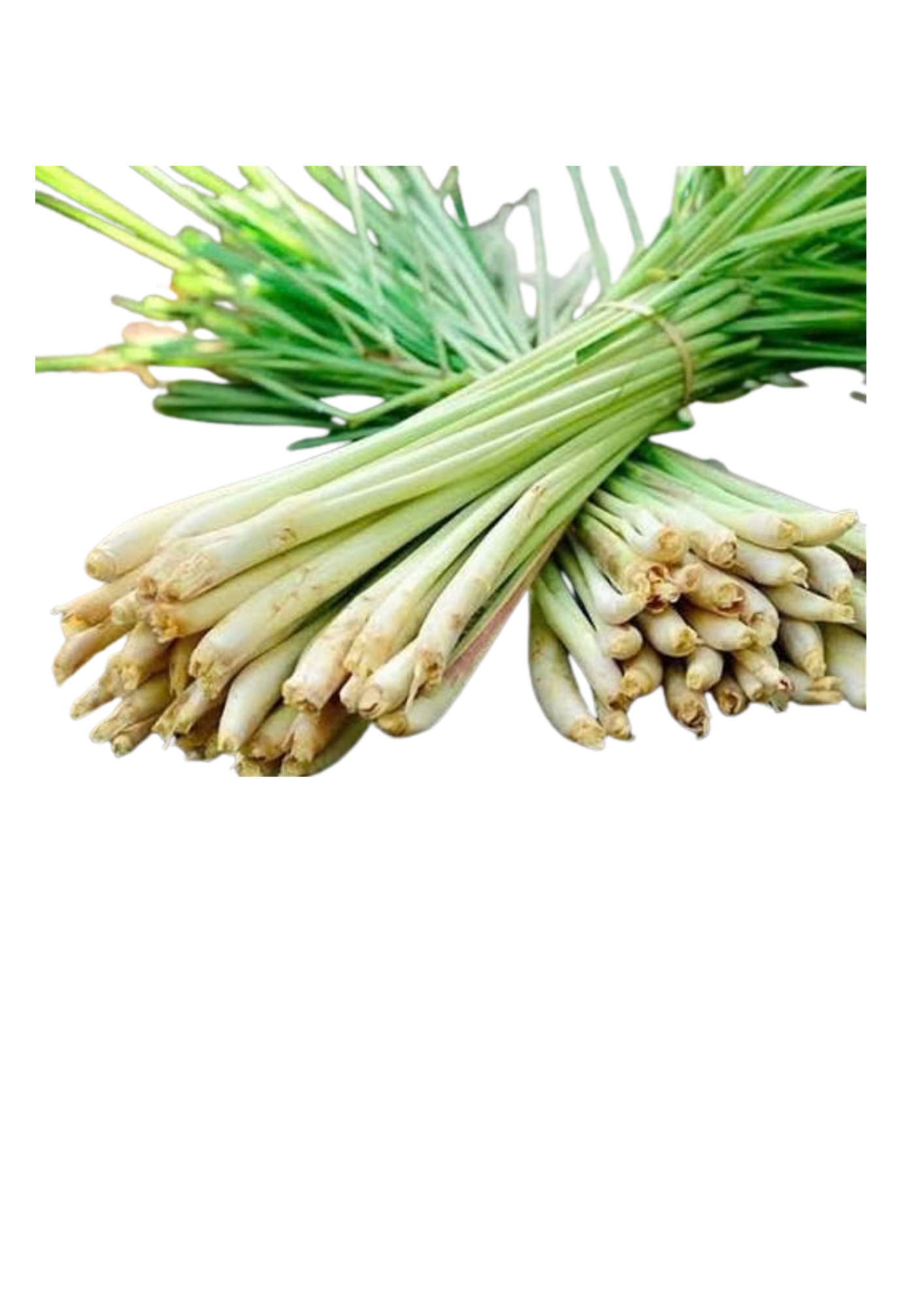
Sereh (Lemongrass) is a tall, perennial aromatic grass widely cultivated across Indonesia. It is an indispensable ingredient in Indonesian culinary traditions and a fundamental element in traditional herbal medicine, prized for its refreshing citrus scent and versatile therapeutic properties.
ORIGIN: Native to the tropical and subtropical regions of Southeast Asia, including Indonesia. The plant naturally thrives in warm, humid tropical environments and is commonly grown in both household gardens and large agricultural estates.
PLANTING: Thrives in warm tropical climates with full, direct sunlight. It prefers fertile, loamy, and well-drained soil with consistent moisture. Cultivation is generally done through the division of mature root clumps (tillers) and requires regular watering to establish strong, fleshy stalks.
HARVESTING:
Timing: Harvested when the stalks have reached a mature thickness, usually 4 to 8 months after planting. It can be harvested continuously by selectively cutting the outer stalks.
Method: The stalks are cut just above the root base, or the entire clump is gently pulled apart. The thick, lower bulbous portion is cleaned and trimmed for culinary or herbal use, while the long leaves are often separated for essential oil extraction or dried for teas
Products
Fresh Stalks: The fresh, aromatic lower stalks used extensively as a spice in cooking and fresh herbal brews.
Dried Leaves (Simplisia): Chopped and dried lemongrass leaves used for traditional teas and dry herbal preparations.
Essential Oil: Extracted through steam distillation, producing a highly concentrated aromatic oil rich in citral.
Herbal Drinks (Jamu): Consumed as a warming herbal tea, often boiled alongside ginger, palm sugar, and other spices
INDUSTRIES THAT USE IT
Food and Beverage: A staple culinary spice in Indonesian cooking, soups, marinades, and commercial wellness beverages.
Herbal Medicine (Jamu): Used in traditional remedies targeting digestion, respiratory health, and body aches.
Cosmetics and Aromatherapy: Widely utilized in soaps, massage oils, perfumes, and spa therapies for its fresh scent and skin-cleansing properties.
Household Products: A popular natural active ingredient in insect repellents, air fresheners, and natural cleaning solutions
BENEFITS
Traditional Herbal Value Deeply embedded in Indonesian jamu practices, traditionally used to warm the body, promote sweating during fevers, and relieve general fatigue.
Antioxidant & Anti-inflammatory Rich in bioactive compounds like citral and geraniol, which help combat free radicals and soothe systemic inflammation.
Digestive Comfort Traditionally consumed as a warm beverage to soothe the stomach, alleviate bloating, and support healthy digestion.
Aromatherapy & Stress Relief The distinct, uplifting citrus aroma is heavily used in traditional and modern spa settings to promote relaxation and reduce mild anxiety.
Functions and Benefits
Culinary Essential: Imparts a bright, lemony flavor and aroma to traditional Indonesian dishes without the tartness of actual lemons.
Natural Insect Repellent: Contains natural compounds that are highly effective at deterring mosquitoes and other insects.
Muscle & Joint Relief: Often applied topically via essential oils or consumed to help soothe aching muscles and joint discomfort.
Detoxification Support: Traditionally used as a mild diuretic to help flush toxins from the body and support urinary tract health.