

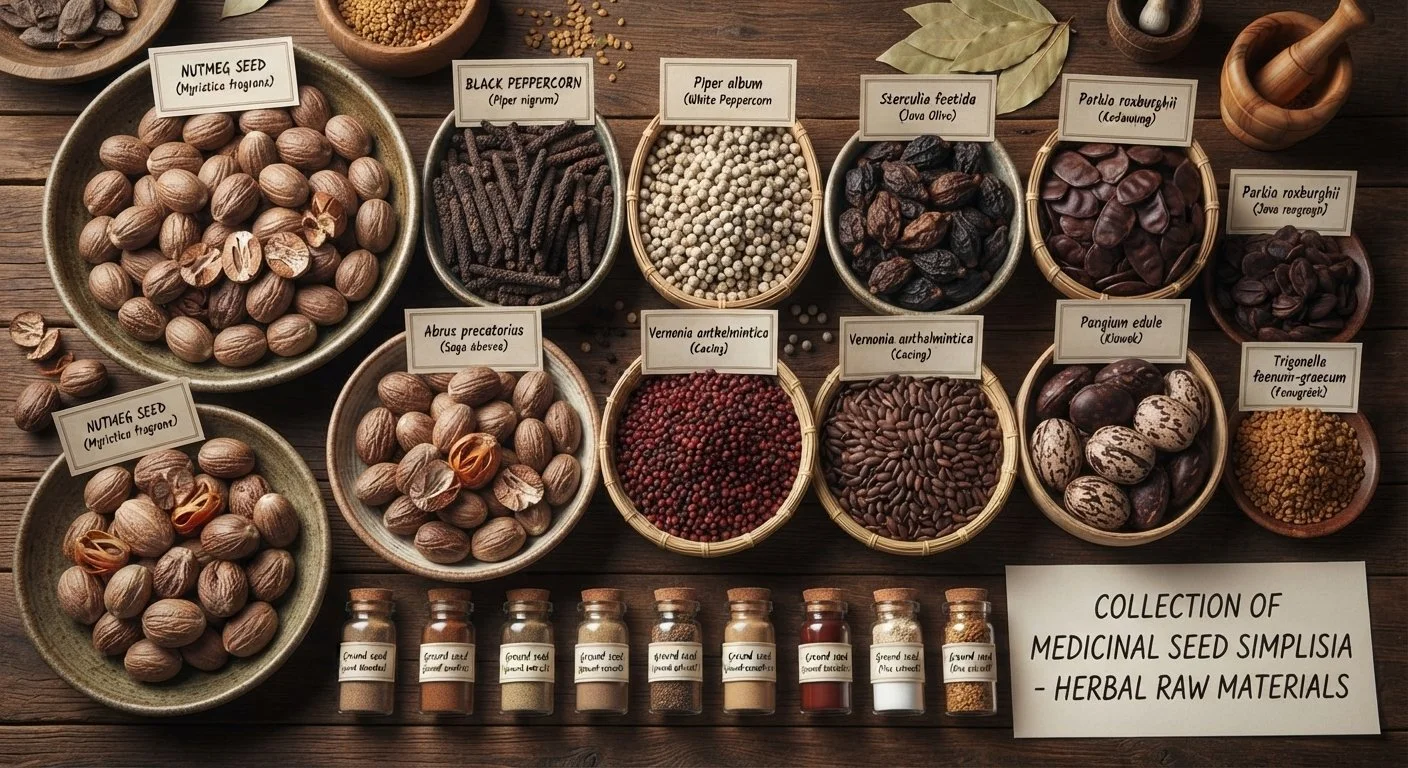
SEED SIMPLISIA
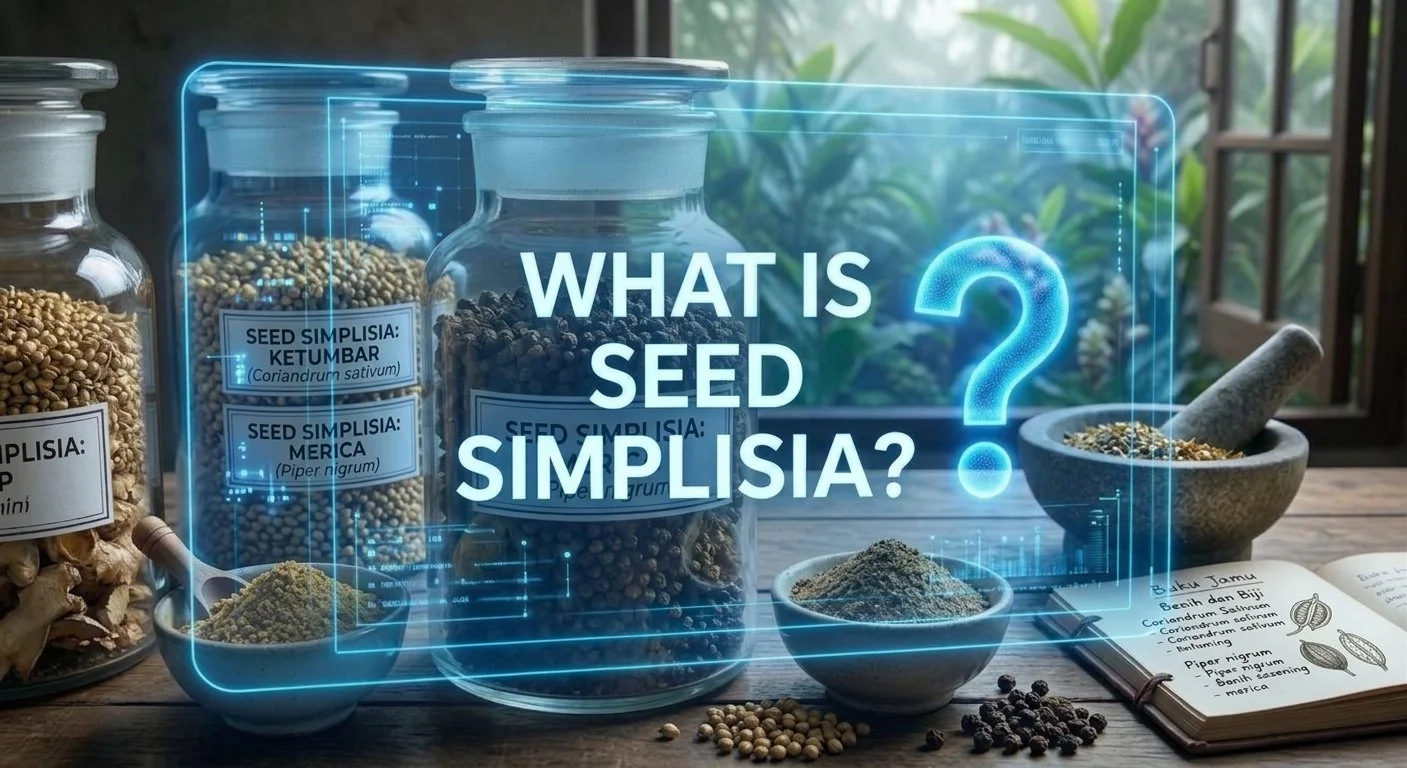
What is Seed Simplisia ?
Seed simplisia (semen) is a natural material consisting of whole plant seeds or parts of seeds that have been dried, which have not undergone further processing (or have only undergone minimal processing). Plant seeds are typically formed from the fertilization of an ovule and serve as a storage site for food reserves rich in active compounds, essential oils, fats, or proteins with medicinal properties.
Examples and Benefits of Seed Simplisia
Nutmeg Seed (Myristica fragrans):
Benefits: Helps warm the body, relieve bloating, alleviate colds, and aids in reducing mild insomnia.
Kedawung Seed (Parkia roxburghii):
Benefits: Traditionally used in herbal remedies to relieve stomachaches, colic, diarrhea, and aid digestion.
Areca Nut / Betel Nut (Areca catechu):
Benefits: Traditionally used to strengthen teeth and gums, treat parasitic worms, and help increase energy or stamina.
Stages of Seed Simplisia Production
Just like other types of simplisia, the processing of seed simplisia requires standard procedures to maintain the quality of its active compounds
Raw Material Collection (Harvesting): Seeds are harvested when the fruits are fully ripe or mature on the tree, but before the fruits split or open naturally to ensure optimal seed quality inside.
Wet Sorting: Separating the seeds from the fruit pulp, fruit peel, dirt, or remaining twigs attached to them.
Washing: Seeds are washed thoroughly with running water to remove any residual sap or impurities adhering to the outer seed coat.
Drying: Dried under direct sunlight (usually covered with a thin cloth) or using a controlled-temperature oven until the moisture content is low (usually below 10%) to prevent mold growth.
Dry Sorting: Resorting the dried seeds to discard excessively shriveled seeds, those with insect holes, or those affected by mold.
Storage: Stored in tightly closed containers (such as glass bottles or airtight containers), dry, clean, and protected from moisture and warehouse pests/insects.
Active Compounds Inside Seed Simplisia
The efficacy of herbal seeds as traditional medicines and cosmetics stems from their complex biochemical profile, which includes:
Essential Fatty Acids & Plant Oils: Rich in linoleic acid, omega-3, and omega-6, which help maintain skin hydration and strengthen the skin barrier.
Flavonoids & Polyphenols: High-level antioxidant compounds that scavenge free radicals and protect skin cells from premature aging.
Alkaloids & Glycosides: Organic active substances that provide pharmacological benefits for bodily health and metabolism.
Natural Vitamins & Minerals: Essential micronutrients that support cellular regeneration for both the skin and the body as a whole.
Major Types of Seed Simplisia and Their Uses
Here are some of the most popular types of seed simplisia in Nusantara along with their primary health benefits:
Nutmeg Seeds (Myristicae Semen)
Key Compounds: Essential oils (myristicin), tristearin, and saponins.
Uses: Relieves bloating, warms the body, treats insomnia, and possesses natural antimicrobial properties.
Black Soybean Seeds (Sojae Semen Nigrum)
Key Compounds: Isoflavones, high protein, and anthocyanins.
Uses: Supports heart health, serves as an antioxidant source against free radicals, and helps maintain body elasticity.
Areca Palm Seeds (Arecae Semen)
Key Compounds: Arecoline, tannins, and fats.
Uses: Traditionally used to strengthen teeth and gums, aid digestion, and provide natural antiparasitic effects.
Black Cumin / Habbatussauda Seeds (Nigellae Sativae Semen)
Key Compounds: Thymoquinone, saponins, and essential oils.
Uses: Boosts the immune system, exhibits strong anti-inflammatory properties, and helps alleviate allergies and inflammation.
Fenugreek Seeds (Trigonellae Foenugraeci Semen)
Key Compounds: Trigonelline, mucilage, and flavonoids.
Uses: Helps promote breast milk production in nursing mothers, stabilizes blood sugar levels, and soothes gastric inflammation.