

Understanding Coffee: Origin, Science & Essence
A closer look at the rich origins, essential compounds, and holistic benefits of pure coffee..
What Is Coffee?
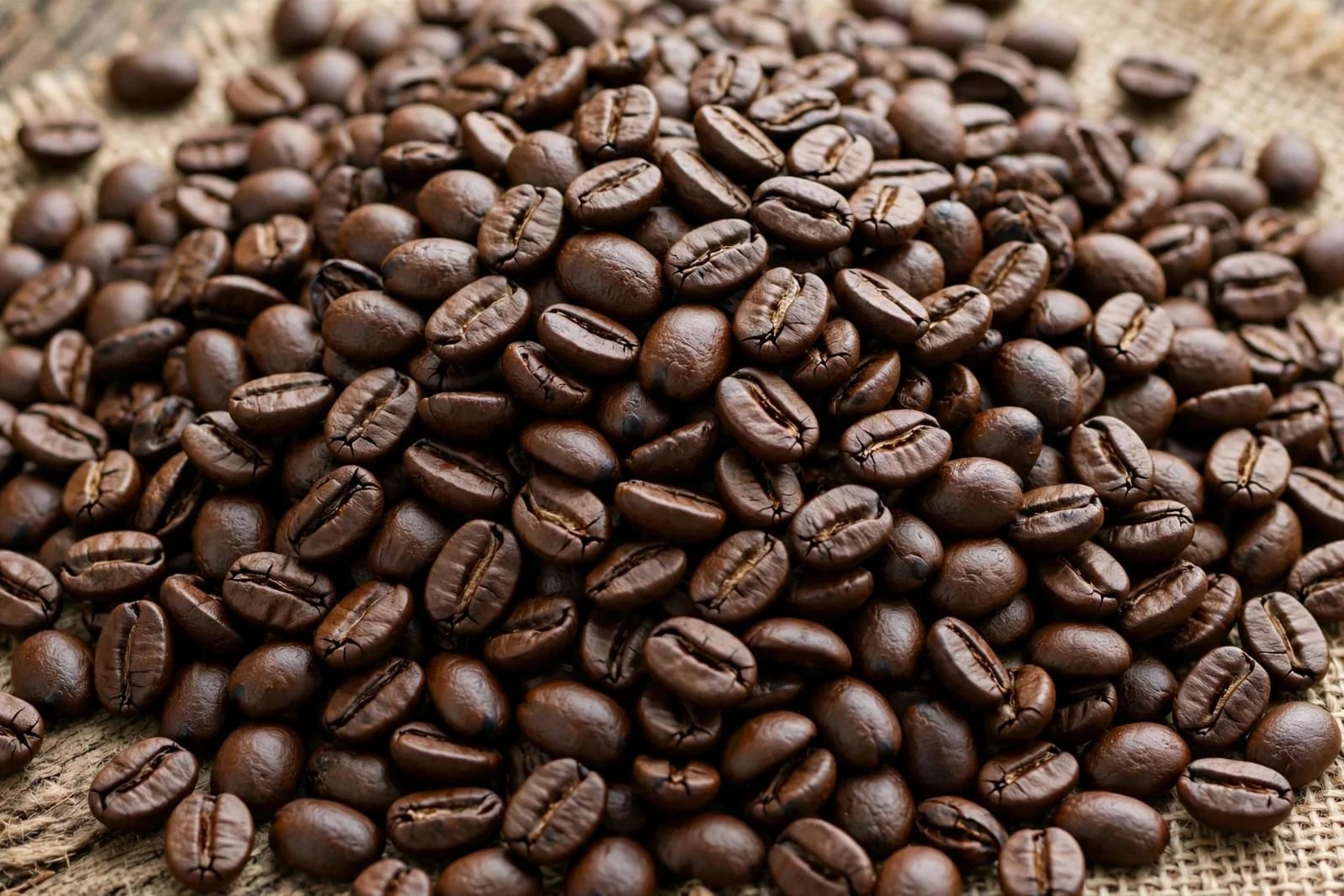
Botanically, coffee originates from flowering plants within the Rubiaceae family. Ripe coffee cherries are processed to yield dried beans that are ready to be roasted and subsequently ground into powder.
Two main varieties dominate the global market:
Arabica (Coffea arabica): Features a smoother taste, mild acidity, and moderate caffeine levels.
Robusta (Coffea canephora): Features a stronger, more bitter taste, a heavier body, and up to twice the caffeine content of Arabica.
The primary active components in coffee include caffeine, chlorogenic acid (a potent antioxidant), and various essential minerals such as magnesium and potassium.
Health Benefits of Coffee
Boosts Energy and Focus: Caffeine blocks the neurotransmitter adenosine in the brain, thereby increasing dopamine and norepinephrine levels.
Rich in Antioxidants: Chlorogenic acid helps fight free radicals and reduces the risk of chronic inflammation.
Supports Metabolism: Caffeine can stimulate fat burning and elevate basal metabolic rate (BMR).
Protects Brain Health: Moderate coffee consumption is linked to a reduced risk of neurodegenerative diseases such as Alzheimer's and Parkinson's.
Consuming coffee regularly and without excessive sugar delivers several positive health impacts
Coffee in the Beauty World: Scientific Facts, Skin-Type Specific Recipes, and Modern Skincare Trends
Beyond being a morning staple, coffee has transformed into a favorite natural ingredient in modern skincare formulations. Its bioactive compounds—such as chlorogenic acid, ferulic acid, and caffeine—make coffee a versatile ingredient that not only works on the surface but also nourishes deeper skin layers.
Understanding How Coffee Works on the Skin
To understand why coffee is exceptionally effective for beauty, let's break down its key components in depth:
Caffeine as a Vasoconstrictor: Caffeine narrows small blood vessels (capillaries). This property is highly effective in reducing redness, edema (fluid retention), and the appearance of puffiness around the face and eyes.
Chlorogenic Acid (CGA): The primary polyphenol antioxidant in coffee that neutralizes free radicals caused by UV exposure, calms inflammation, and possesses natural antibacterial properties.
Natural Acidity: Coffee has a natural pH close to that of human skin (around 4.5 to 5.5), helping maintain the integrity of the skin barrier without stripping away its natural moisture.
5 Uses of Coffee for Hair and Scalp Care
Not just for the face and body, coffee also offers remarkable benefits for hair health:
Stimulates Hair Growth: Caffeine can block Dihydrotestosterone (DHT)—the hormone responsible for hair follicle shrinkage—thereby stimulating the growth of stronger new hair strands.
Scalp Exfoliation (Scalp Scrub): Removes dandruff, dead skin cells, and hairstyling product buildup that clogs hair follicles.
Enhances Natural Shine: A cold coffee rinse helps seal the hair cuticle, leaving hair looking shinier and smoother.
Deepens Dark Hair Tones: For naturally black or dark brown hair, a coffee rinse provides a natural color-boosting effect without harsh chemicals.
Improves Scalp Blood Circulation: Massaging the scalp with a coffee mixture stimulates blood flow, delivering essential nutrients directly to the hair roots.
Myths vs. Facts About Coffee for Skin
Myth: Scrubbing coffee grounds as harshly as possible will speed up cellulite removal.
Fact: Scrubbing too hard can cause micro-tears in the skin, triggering irritation. Always apply gentle pressure using circular motions.
Myth: Any leftover coffee grounds from drinking can be applied directly to the face.
Fact: Coffee grounds left at room temperature for too long can become a breeding ground for bacteria or mold. Always use fresh grounds or freshly brewed pure coffee powder