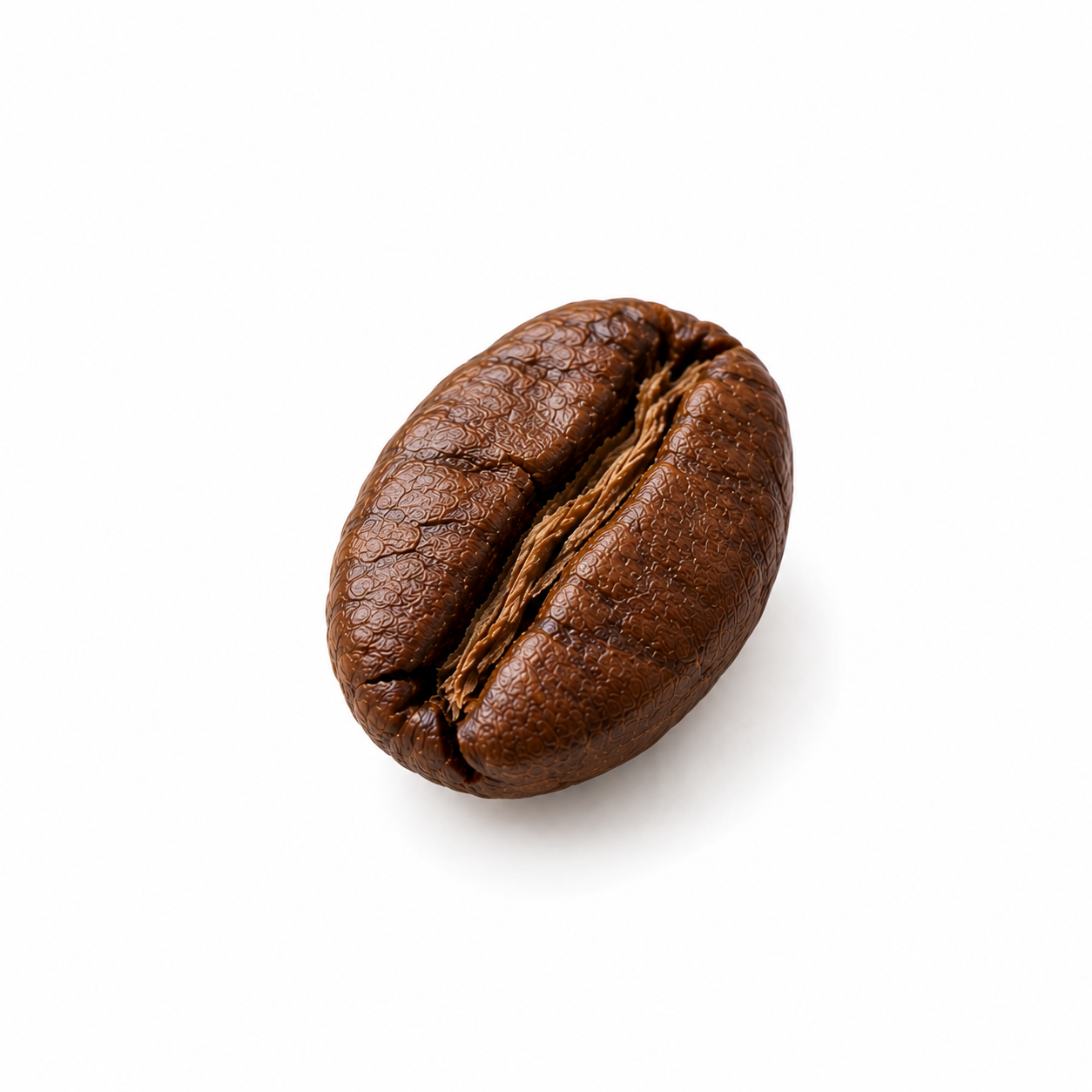

Refers to Arabica coffee associated with the Halu area of West Bandung, West Java, Indonesia, processed using the honey method. Halu is known as one of West Java’s specialty coffee-growing areas, where highland conditions and local cultivation practices contribute to the coffee’s distinctive characteristics. The honey process preserves some of the fruit’s mucilage during drying, potentially enhancing the coffee’s sweetness, body, and fruity flavor notes.
1. Physical Characteristics of Arabica Halu Honey
Origin and Growing Environment: Arabica Halu is cultivated in the highland areas of West Bandung, West Java. Its elevation, cooler temperatures, and local growing conditions support Arabica coffee cultivation.
Bean Shape and Size: Arabica beans are generally oval or elongated, with a characteristic curved central crease. Their size and density vary depending on the variety, growing conditions, and post-harvest handling.
Color After Roasting: Depending on the roast profile, the beans range from light to dark brown. Light to medium roasting can help preserve fruity and sweet characteristics, while darker roasting emphasizes chocolate and roasted notes.
Processing Method: The honey process involves removing the outer skin and pulp while retaining some mucilage on the beans during drying. Despite its name, this method does not require adding honey.
Aroma: Arabica Halu Honey may exhibit sweet, fruity, floral, caramel-like, and occasionally tropical-fruit aromas, depending on the specific lot and processing conditions.
Flavor Profile: Potential tasting notes include brown sugar, caramel, ripe fruit, citrus, and mild chocolate, creating a sweet and balanced sensory experience.
Body and Acidity: Honey-processed Arabica can have a medium to full body with balanced acidity. The exact profile depends on the amount of mucilage retained, fermentation, drying conditions, and roast level.
2. Characteristics and Potential Benefits
Rich in Natural Antioxidants: Like other coffee varieties, Arabica naturally contains antioxidant compounds, including polyphenols.
Enhanced Perceived Sweetness: The honey process can contribute to a sweeter-tasting cup, although the actual sweetness depends on the coffee lot and roasting profile. No honey or additional sugar is necessarily added.
Fruity and Balanced Flavor: Its potential combination of sweetness, fruit notes, and balanced acidity makes it suitable for manual brewing methods such as V60, Kalita, and other filter coffee techniques.
Distinctive Processing Character: The honey method gives the coffee a different sensory profile from fully washed or natural-processed coffee, offering another expression of Arabica Halu’s local character.
3. Jackfruit Blend Beans Grades
Grade A (Specialty / Premium Blend Grade): Composed of high-grade Arabica and Fine Robusta green beans with minimal defects (0–11 defects per 300g). Delivers the most intense, clean, and consistent ripe jackfruit aroma without any off-flavors, rubbery notes, or over-fermented astringency.
Grade B (Commercial Specialty Grade): May allow a slightly higher defect count (12–25 defects per 300g) or slight variation in bean size. Retains a strong jackfruit aroma and sweet profile, making it highly suitable for commercial coffee shop house blends.
Grade C (Standard Commercial Grade): Contains higher physical defect counts and size variation. The jackfruit notes may be less pronounced or accompanied by stronger earthy, bitter Robusta characteristics.
Grade D (Industrial Grade): Represents lower-tier green coffee sorting, allowing noticeable defects and inconsistent roast uniformity. Typically utilized for low-cost commercial grounds, instant flavored coffee bases, or mass-market blends.
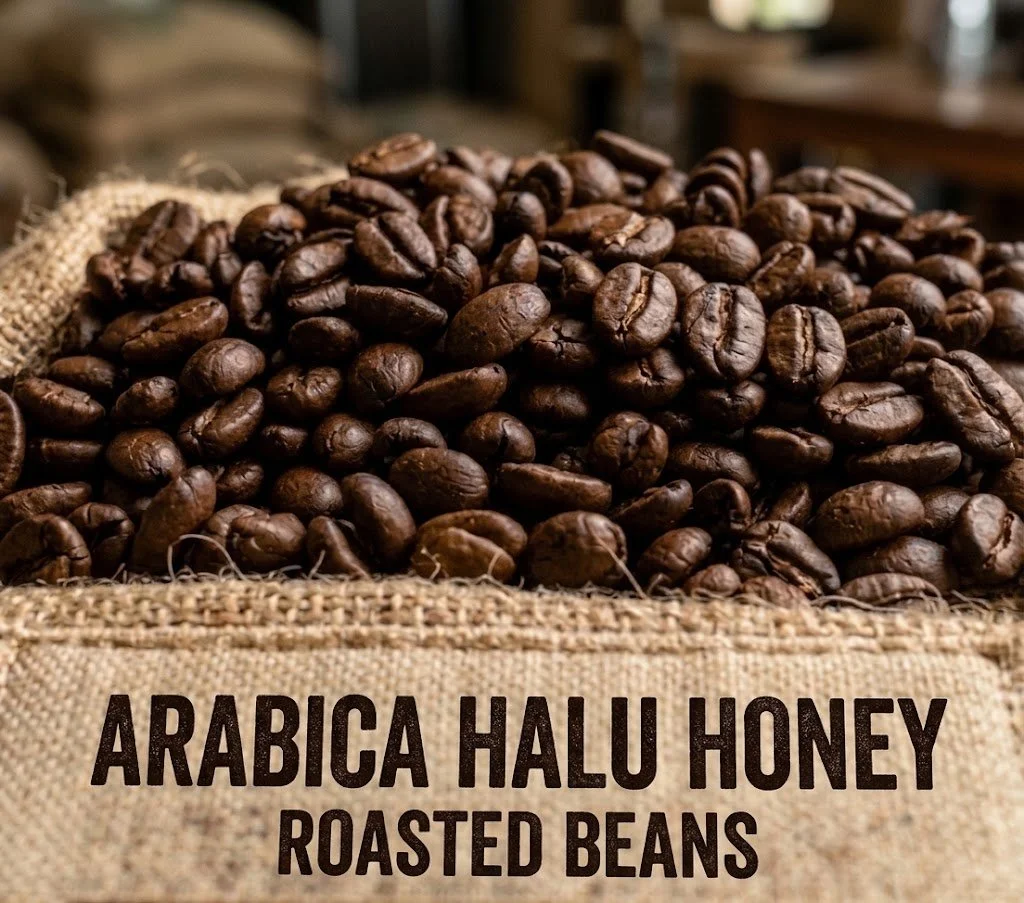
ARABICA HALU HONEY