

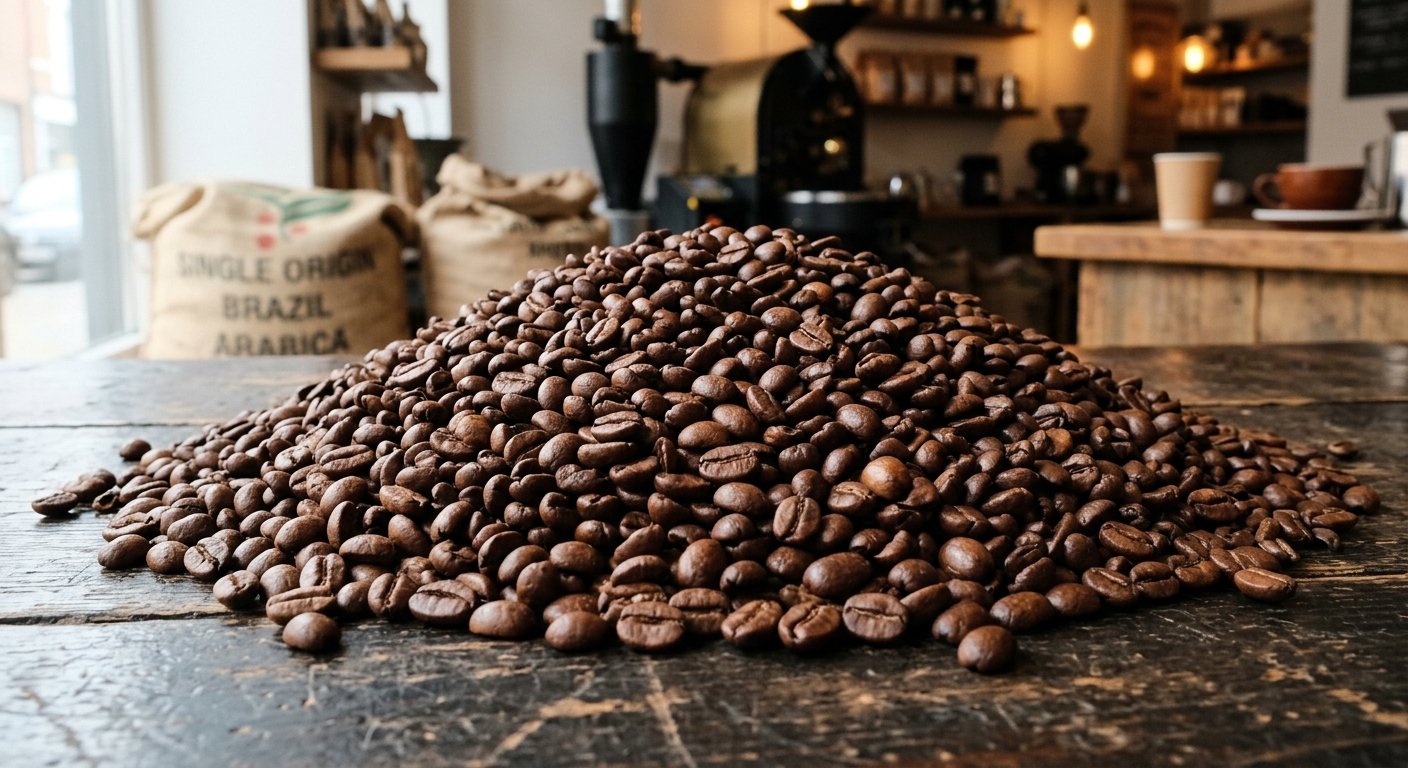
What is a Coffee Bean?
A coffee bean is the seed found inside the fruit of the coffee plant (Coffea), commonly known as a coffee cherry. Raw coffee beans (green beans) are obtained by removing the fruit's outer skin and pulp through post-harvest processing. Once dried, roasted, and ground, they are brewed to create the coffee beverage enjoyed worldwide.
Coffee Bean
Benefits and Functions of Coffee Beans
Boosts Energy & Focus: The caffeine in coffee stimulates the central nervous system, enhancing alertness, mental clarity, and concentration.
Rich in Antioxidants: Packed with chlorogenic acid, which helps neutralize free radicals and support overall cellular health.
Supports Metabolism: Helps stimulate fat burning (lipolysis) and enhances physical endurance during exertion.
Versatile Uses Across Industries: Beyond food and beverage applications, coffee extracts are widely used in cosmetics (such as skincare products and body scrubs), while spent coffee grounds serve as organic fertilizer and natural deodorizers.
Post-Harvest Processing Stages (Flavor Profile Shaping)
Anatomy of a Coffee Cherry (Brief Overview)
A coffee cherry consists of the following layers (from the outside in):
Exocarp: The outer skin of the fruit.
Mesocarp: The fruit pulp.
Mucilage: A sweet, sugar-rich mucilaginous layer.
Endocarp (Parchment): The hard, protective inner hull enclosing the seed.
Silver Skin: A thin, silvery skin directly wrapping the bean.
Endosperm (Coffee Bean): The innermost core that is processed and roasted.
Besides the plant species, the final flavor profile of coffee beans is largely determined by how the fruit is processed after harvesting:
Natural / Dry Process: Whole coffee cherries are sun-dried intact with their skin and pulp. This yields a sweet flavor, strong fruity acidity, and a heavy body.
Washed / Wet Process: The fruit pulp is removed, and the seeds are fermented and washed thoroughly before drying. This results in a clean taste profile, high acidity, and a bright aroma.
Honey / Semi-Washed Process: The outer skin and pulp are removed, but a portion of the sweet mucilage layer is left on the bean during drying. This produces a balanced blend of natural sweetness and smooth acidity.